Re-interpreting Mystical Experience
Editor’s Note: If you’ve ever thought of trading your current set of beliefs (or non-beliefs) for mysticism, this discussion will give you pause. It’s written by an expert – a former long-term yogi who is now an atheist.
=====================
By “Scott”
What creates feelings of ecstasy and a sense of contact with universal oneness? What’s the link between these feelings and spiritual disciplines, meditation practices, and religious frameworks?
There is no question that mystical experience is a powerful and can be a valuable experience. But society tends to explain mystical experience as something mysterious, religious, or supernatural. Most people have neither sufficient knowledge nor the confidence in their own minds or bodies to question or understand mystical experiences. Nor are most people aware of the role of psychology and physiology in mystical experience.
In this post, I try to answer generally what is mystical experience. Then I describe two feelings common of mystical experience. Next, I describe the reported physiological (bodily) and psychological (emotional/mental) effects. And lastly, I list eight bodily and mental processes that can drastically alter our perceptions and that can produce mystical experience.

What is mystical experience?
Two feelings–ecstasy and a contact with universal sense of oneness–are common denominators of mystical experience.1 The reports of mystical experience often include effects that are both physiological and psychological.
Psychological effects that are reported can include visions, out-of-body sensations, or unconsciously expressed behaviors such as speaking in tongues, feelings of being possessed by a spirit, crying from happiness or feelings of extreme exhilaration or profound calmness. Consider this example:
But as I turned and was about to take a seat by the fire, . . . the Holy Spirit descended upon me in a manner that seemed to go through me, body and soul. I could feel the impression, like a wave of electricity, going through and through me. Indeed, it seemed to come in waves and waves of liquid love . . . it seemed to fan me, like immense wings.No words can express the wonderful love that was shed abroad in my heart. I wept aloud with joy and love; and I do not know but I should say I literally bellowed out the unutterable gushings of my heart. These waves came over me, and over me, and over me, one after the other, until I recollect I cried out, ‘I shall die if these waves continue to pass over me.’ . . . yet I had no fear of death.2
Physiological changes in heart or breathing rate, or in body temperature and so on are often reported. Sometimes chemical or neurological imbalances in the brain can produce mystical experience. Consider for example:
Lucinda has temporal lobe epilepsy and says things like,
“during the seizure, I experience God—I see the meaning of the universe, the true meaning of the universe, for the first time in my life. I understand my place in the cosmic scheme of things.”3
Body/brain alterations and mystical experience
Generally speaking, physiological and psychological changes (such as those reported in mystical experiences) can be expected whenever basic bodily or mental processes are altered drastically. Many effective alterations include4:
1) Drugs–mind-altering chemicals–man- or plant-made, such as psychedelics, alcohol, opiates, and anesthetics–directly affect body and brain processes and are perhaps the easiest route to unusual perception or mystical experience.
2) Alterations in breathing–holding the breath, slowing the breath, or deep, rapid breathing are ways of altering the oxygen/carbon balance in our blood and brains, often produce bodily and perceptual alterations.
3) Fasting–lack of nutrients, abstaining from certain foods, can alter our bodily and mental perceptions. Progressive starvation (nutritional deprivation) can lead to altered states of consciousness (including hallucinations or death).
4) Deprivations–frustration, repression, or extreme denial such as loss of sleep, fatigue, unexpressed sexual or intimate feelings, including self-inflicted pain or suffering, can break down physical and psychological stability and can produce mystical states.
5) Fever–delirium and hallucinations it is well known, can be produced by lengthy or high fever or body temperature.
6) Excitement, exertion–these conditions create changes in the breathing, heart rate, oxygen and blood balance in the body that can alter perceptions.
7) Combinations of the above–for example, combining fasting, loss of sleep, and extreme sexual abstinence (celibacy or chastity) can produce altered states of consciousness.
8) Random or unknown–seemingly for no known reason an altered state or mystical experience can be produced. However, not knowing reason doesn’t excuse interpretations that we then claim to “know” the reason is some god, spirit, or supernatural power.
Mystical experiences can be powerful and valuable.
It is possible for us to develop greater self-awareness and trust in our own capabilities without interpreting or concluding that mystical experience is:
1) Evidence of the supernatural or some god or spirit.
2) A hoax or delusion.
Through better understanding of drastically altering body/brain processes and what mystical experiences are–psychologically and physiologically–we can appreciate these powerful and valuable experiences. We need not dismiss or assume mystical experience is something mysterious, religious, or supernatural. By developing better self-awareness and self-trust we can avoid pitfalls of using interpreters of mystical experience–whether these interpretations are filtered through holy books, gurus and presumed enlightened masters or other second-hand, so-called authorities.
=================
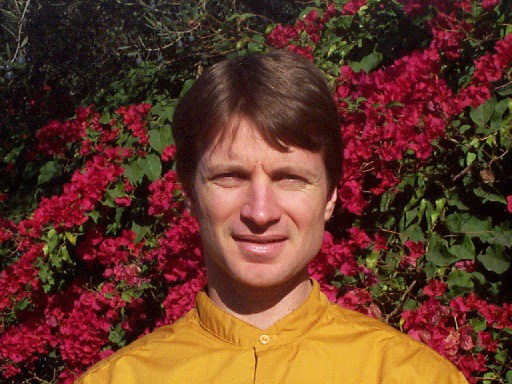 Bio: “Scott” was a monk at the Self-Realization Fellowship (SRF) ashram for 14 years before leaving to complete his education and enter the business world. Raised Roman Catholic, he got into eastern religious practices and was influenced in his 20’s by reading The Autobiography of a Yogiv by SRF founder Paramahansa Yogananda. He is now a member of The Clergy Project and a successful business consultant. He discusses the hidden, and sometimes-dangerous side of meditation practices, systems and groups at SkepticMeditations.com. This post is republished with permission from his blog.
Notes
1 I’m indebted to Andrew Neher’s excellent book, Paranormal and Transcendental Experience: A Psychological Examination, p 106, for his simple and elegant explanation of these two common feelings.
1 I’m indebted to Andrew Neher’s excellent book, Paranormal and Transcendental Experience: A Psychological Examination, p 106, for his simple and elegant explanation of these two common feelings.
2 The Varieties of Religious Experience: A Study in Human Nature, William James, The Project Gutenberg EBook, retrieved 23 Apr 2017 http://www.gutenberg.org/files/621/621-h/621-h.html
3 Read my post God in a Seizure: Epilepsy & Mysticism, http://skepticmeditations.com/2014/12/11/god-in-a-seizure-epilepsy-mysticism/
4 I’m indebted to Andrew Neher’s excellent book, Paranormal and Transcendental Experience: A Psychological Examination, p 19, for his list of things that can drastically alter body and brain processes.
>>>>photo credits: By Alvesgaspar – Own work, CC BY-SA 4.0, https://commons.wikimedia.org/w/index.php?curid=43527951



 lynne hybels


