Sunday, 6 August 2017

Where is faith in all this?

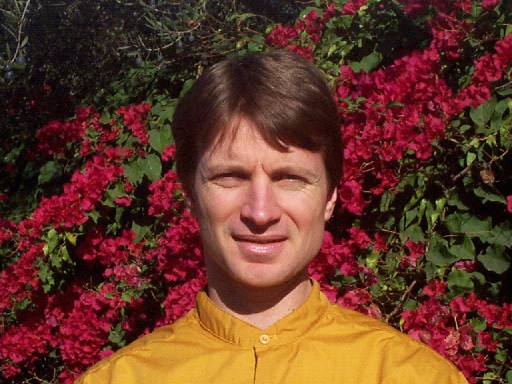
I stopped being a Muslim, although I was born a Muslim and grew up a Muslim. This is the position of Sami Shah, who decided to come to Australia from Pakistan.
He and his family are now living here happily and he is becoming well known as both a comedian and writer.
Sami's first child was a daughter, and her gender was what finally prompted him and his wife to migrate to Australia. If their child had been a son they probably wouldn't have come, but as the child was a girl they migrated because the women aren't treated well in Pakistan, as in many parts of the developing world.
So, Sami decided to give up his religion. And giving up religion in his country is punishable by death in his and some other countries.
So what then? Having found the Koran dense and convoluted he looked beyond Islam and carefully considered both the Old and New Testaments, but found them both incapable of having relevance to his modern life.
So where is faith in all this? All humans have a natural need to seek meaning. This natural desire for something to believe in is frequently not much helped by religious structures. We're too often told that "this is the truth and if you don't accept it you should just go away".
The result of that stance has meant that organised religion as a means to find belief is rejected by many. It's why people listen to the militant atheists who see religion as a positive evil. So much organised religion is restrictive, although it also is a means through which many people find their faith. And many religions express that faith by reaching out to serve people in need regardless of belief – the Salvation Army, Anglicare, Jewish Care, Catholic Social Services etc.
So all religious structures are flawed. Like all human structures, from political parties to large corporations to golf clubs to mothers' groups. They're all human. There's often division. Religious structures can offer a vehicle through which people can discover a meaning in their lives. They can find that loving our neighbours, forgiving others' mistakes, accepting others' failures is the true way of expressing faith – whatever one it may be.
Meditating and worshipping is comforting and helpful, as long as the resulting faith leads to ensuring that we live our lives positively and work to enhance the humanity of the people around us.
Don Mackay is a Melbourne writer.

Saturday, 5 August 2017

Be careful what you wish for. The mystical experience. Or, at least, some sorts of mystical experience

From Patheos

Re-interpreting Mystical Experience

Editor’s Note: If you’ve ever thought of trading your current set of beliefs (or non-beliefs) for mysticism, this discussion will give you pause. It’s written by an expert – a former long-term yogi who is now an atheist.
=====================
By “Scott”
What creates feelings of ecstasy and a sense of contact with universal oneness? What’s the link between these feelings and spiritual disciplines, meditation practices, and religious frameworks?
There is no question that mystical experience is a powerful and can be a valuable experience. But society tends to explain mystical experience as something mysterious, religious, or supernatural. Most people have neither sufficient knowledge nor the confidence in their own minds or bodies to question or understand mystical experiences. Nor are most people aware of the role of psychology and physiology in mystical experience.
In this post, I try to answer generally what is mystical experience. Then I describe two feelings common of mystical experience. Next, I describe the reported physiological (bodily) and psychological (emotional/mental) effects. And lastly, I list eight bodily and mental processes that can drastically alter our perceptions and that can produce mystical experience.
Santa Teresa de Avila
What is mystical experience?
Two feelings–ecstasy and a contact with universal sense of oneness–are common denominators of mystical experience.1 The reports of mystical experience often include effects that are both physiological and psychological.
Psychological effects that are reported can include visions, out-of-body sensations, or unconsciously expressed behaviors such as speaking in tongues, feelings of being possessed by a spirit, crying from happiness or feelings of extreme exhilaration or profound calmness. Consider this example:
But as I turned and was about to take a seat by the fire, . . . the Holy Spirit descended upon me in a manner that seemed to go through me, body and soul. I could feel the impression, like a wave of electricity, going through and through me. Indeed, it seemed to come in waves and waves of liquid love . . . it seemed to fan me, like immense wings.
No words can express the wonderful love that was shed abroad in my heart. I wept aloud with joy and love; and I do not know but I should say I literally bellowed out the unutterable gushings of my heart. These waves came over me, and over me, and over me, one after the other, until I recollect I cried out, ‘I shall die if these waves continue to pass over me.’ . . . yet I had no fear of death.2
Physiological changes in heart or breathing rate, or in body temperature and so on are often reported. Sometimes chemical or neurological imbalances in the brain can produce mystical experience. Consider for example:
Lucinda has temporal lobe epilepsy and says things like,
“during the seizure, I experience God—I see the meaning of the universe, the true meaning of the universe, for the first time in my life. I understand my place in the cosmic scheme of things.”3
Body/brain alterations and mystical experience
Generally speaking, physiological and psychological changes (such as those reported in mystical experiences) can be expected whenever basic bodily or mental processes are altered drastically. Many effective alterations include4:
1) Drugs–mind-altering chemicals–man- or plant-made, such as psychedelics, alcohol, opiates, and anesthetics–directly affect body and brain processes and are perhaps the easiest route to unusual perception or mystical experience.
2) Alterations in breathing–holding the breath, slowing the breath, or deep, rapid breathing are ways of altering the oxygen/carbon balance in our blood and brains, often produce bodily and perceptual alterations.
3) Fasting–lack of nutrients, abstaining from certain foods, can alter our bodily and mental perceptions. Progressive starvation (nutritional deprivation) can lead to altered states of consciousness (including hallucinations or death).
4) Deprivations–frustration, repression, or extreme denial such as loss of sleep, fatigue, unexpressed sexual or intimate feelings, including self-inflicted pain or suffering, can break down physical and psychological stability and can produce mystical states.
5) Fever–delirium and hallucinations it is well known, can be produced by lengthy or high fever or body temperature.
6) Excitement, exertion–these conditions create changes in the breathing, heart rate, oxygen and blood balance in the body that can alter perceptions.
7) Combinations of the above–for example, combining fasting, loss of sleep, and extreme sexual abstinence (celibacy or chastity) can produce altered states of consciousness.
8) Random or unknown–seemingly for no known reason an altered state or mystical experience can be produced. However, not knowing reason doesn’t excuse interpretations that we then claim to “know” the reason is some god, spirit, or supernatural power.
Mystical experiences can be powerful and valuable.
It is possible for us to develop greater self-awareness and trust in our own capabilities without interpreting or concluding that mystical experience is:
1) Evidence of the supernatural or some god or spirit.
2) A hoax or delusion.
Through better understanding of drastically altering body/brain processes and what mystical experiences are–psychologically and physiologically–we can appreciate these powerful and valuable experiences. We need not dismiss or assume mystical experience is something mysterious, religious, or supernatural. By developing better self-awareness and self-trust we can avoid pitfalls of using interpreters of mystical experience–whether these interpretations are filtered through holy books, gurus and presumed enlightened masters or other second-hand, so-called authorities.
=================
scottBio: “Scott” was a monk at the Self-Realization Fellowship (SRF) ashram for 14 years before leaving to complete his education and enter the business world. Raised Roman Catholic, he got into eastern religious practices and was influenced in his 20’s by reading The Autobiography of a Yogiv by SRF founder Paramahansa Yogananda. He is now a member of The Clergy Project and a successful business consultant. He discusses the hidden, and sometimes-dangerous side of meditation practices, systems and groups at SkepticMeditations.com. This post is republished with permission from his blog.
Notes
1 I’m indebted to Andrew Neher’s excellent book, Paranormal and Transcendental Experience: A Psychological Examination, p 106, for his simple and elegant explanation of these two common feelings.
2 The Varieties of Religious Experience: A Study in Human Nature, William James, The Project Gutenberg EBook, retrieved 23 Apr 2017 http://www.gutenberg.org/files/621/621-h/621-h.html
3 Read my post God in a Seizure: Epilepsy & Mysticism, http://skepticmeditations.com/2014/12/11/god-in-a-seizure-epilepsy-mysticism/
4 I’m indebted to Andrew Neher’s excellent book, Paranormal and Transcendental Experience: A Psychological Examination, p 19, for his list of things that can drastically alter body and brain processes.
>>>>photo credits: By Alvesgaspar – Own work, CC BY-SA 4.0, https://commons.wikimedia.org/w/index.php?curid=43527951

Friday, 4 August 2017

The Makomanai Cemetery in Japan with its giant statue of Buddha

Normally a cemetery wouldn’t be on our list of recommended sites to see, but the Makomanai Cemetery is one of the most awe-inspiring places we’ve ever been. Located in the outskirts of Sapporo, a large stone Buddha occupies the sprawling landscape. All 1,500 tons of it has sat alone there for 15 years. But when the cemetery decided they wanted to do something to increase visitor’s appreciations for the Buddha, they enlisted architect Tadao Ando, who had a grand and bold idea: hide the statue.

See and read more here

Faith Communities Council of Victoria : August 2017 Newsletter : Interfaith Grant Applications Now Open


view it online
FacebookTwitter

FCCV AUGUST 2017 NEWSLETTER

Faith Communities Council of Victoria
VMC

COMMUNITY HARMONY PROGRAM 2017-18: INTERFAITH GRANT APPLICATIONS NOW OPEN

The Community Harmony Program is designed to enable Victorians to build social cohesion and community harmony through preventative initiatives that address the root causes of social disharmony and racial, ethnic and religious intolerance. 

read more
---
picture

AUSTRALIAN CHURCH LEADERS CALL FOR URGENT RESPONSE TO DOMESTIC VIOLENCE

Christian communities to urgently respond to women who are being abused in their congregations, with the most senior Anglican cleric in the country arguing victims of domestic violence deserve an apology from the Church. 

read more
---
picture

REPORTABLE CONDUCT SCHEME HAS NEW REPORTING REQUIREMENT FOR HEADS OF RELIGIOUS BODIES

On 1 July 2017 Victoria introduced a Reportable Conduct Scheme to oversee organisational responses to allegations of child abuse or misconduct towards children. 

read
more
---
picture

ISLAMOPHOBIA IS STILL RAISING ITS UGLY HEAD IN AUSTRALIA

A new report finds that Islamophobia is prevalent in Australia - to ignore it would only entrench the problem more deeply. 

read more
---
picture

VICTORIA’S MULTICULTURAL AWARDS FOR EXCELLENCE

Victoria’s Multicultural Awards for Excellence honour individuals and organisations that have made outstanding contributions to strengthening Victoria’s multicultural community. 

read more
---
picture

RELIGIOUS LEADERS OCCUPY ENVIRONMENT MINISTER'S OFFICE TO PROTEST CARMICHAEL COALMINE

Religious leaders from several faiths have occupied the electorate office of Josh Frydenberg today, demanding the federal environment minister withdraw his support for Adani’s Carmichael mine.  

read more
---
picture

COPTIC CHRISTIAN POPE TO GET KEYS TO CITY OF CASEY

The Coptic Christian Pope, Pope Tawadros II of Alexandria, will be given the keys to the city when he visits Casey on September 8.

read more
---
picture

'NOT MANY PEOPLE KNOW ABOUT SIKHS': SPOTLIGHT ON AUSTRALIA'S GROWING COMMUNITY

SBS World News takes a look at a community that has almost doubled in the last five years according to the latest census data released in June this year.

read more
---
picture

ISLAMIC EXPERTS WORK TOWARDS NATIONAL RELIGIOUS SCHOOL CURRICULUM TO APPLY FAITH TO MODERN AUSTRALIAN LIFE

A new high school curriculum will help young people realise there's no conflict between following Islam and being raised Australian.

read more
---
picture

MEET THE MANDAEANS: AUSTRALIAN FOLLOWERS OF JOHN THE BAPTIST CELEBRATE NEW YEAR

It might not be the Tigris or the Euphrates, but the Nepean River in Western Sydney is vital to the Australian adherents of one of the world's most ancient religions.

read more
---
picture

MISS WORLD AUSTRALIA BECOMES THE FLAG-BEARER FOR ISLAM AS THE RELIGION OF PEACE

Esma Voloder, a criminal profiler from Melbourne who identifies herself as a Muslim has recently won the Miss world Australia pageant and has grabbed the opportunity to clear misconceptions about Islam. 

read more
---
picture

GOD’S BIKIES ON THE HIGHWAY TO HEAVEN

If you thought Jesus wasn’t for tough guys, wait till you meet God’s Squad, which tears up the highway in the name of the Lord.

read more
---
picture

‘WE’RE HEADED TOWARD ONE OF THE GREATEST DIVISIONS IN THE HISTORY OF THE JEWISH PEOPLE’

A small, vocal group of Conservative rabbis is pushing the movement to accept marriages between Jews and non-Jews. The fight is really about the future of the religion.

read more
---
picture

BUDDHISM BONANZA: CELEBRATIONS ACROSS AUSTRALIA AS RELIGION MAINTAINS ITS POPULARITY

The 2016 census shows Australians are less religious than ever before, but one religion is maintaining its popularity, with diverse celebrations planned across the country this weekend.

read more
---

JANMASHTAMI in Ballarat


Apologies for the short notice - this has only just come through.
Ballarat Hindu Temple and Cultural Centre 
invites you to celebrate

Saturday 5 August 2017
4.30pm to 8pm
at
Victoria Railway Institute Hall,
Lydiard Street North,
Soldiers Hill 

Dinner 
Adults - $10
Children 3-12 years - $5
Email:
ballarathindutemple@gmail.com